What ages is WittyWhiz for?
These home activities suit children who can follow a short instruction, hold a pencil, and talk about a simple answer. The right level depends more on the child’s current comfort with the task than on one exact age. Start with an easy example and increase only one part at a time.
How long is one practice session?
Most of the examples on this site fit into 20 to 25 minutes. For a younger or tired child, 10 focused minutes is more useful than pushing through a longer session. Stop after a clear finish, not after frustration has already taken over.
What does the child actually do?
Each session has a warm-up, one main activity, a small challenge, and a quick review. For example, a number lesson may include counting backwards, building a three-digit number, solving one addition by splitting tens and ones, and explaining the method aloud.
Is it only about maths?
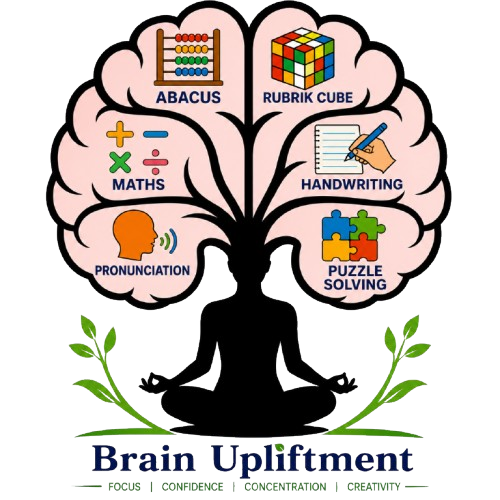
No. The learning library includes number sense, abacus practice, handwriting, pronunciation, pattern puzzles, and thinking-aloud prompts. The activities are designed to be small enough that a family can choose one focus for the day.
How do I know which level to choose?
Choose a version that the child can complete with some thought but without repeated guessing. If a child misses two similar questions in a row, reduce the range of numbers, show one worked example, or shorten the task. If the work is very easy, ask the child to explain the answer or create a new example.
Should I correct every mistake?
No. Pick the most important point for that activity. During handwriting, you might focus on spacing and ignore one uneven letter. During maths, ask the child to show where the method changed rather than immediately giving the answer. One useful correction is easier to remember than many at once.
What should I say when the child gets stuck?
Use a question that returns them to the next small step: “What do you already know?”, “Can you show that with tens and ones?”, or “What was the first gap in the pattern?” Give wait time before offering help. If needed, solve one closely related example together and then let the child try again.
Can parents track progress without making it stressful?
Yes. Keep a short dated note after each session. Record one skill that felt easier and one task to revisit. Useful notes are specific: “read three sh- words clearly” or “needed a reminder to add the tens first.” This gives the next session a purpose without turning every activity into a score.
What if the child does not enjoy one activity?
Change the entry point, not the whole routine. A child who dislikes a written maths question may prefer moving beads, using coins, or talking through the story first. Return to the written version later in a smaller form. The goal is steady practice, not forcing the same format every day.
Do I need special materials?
No. A pencil, notebook, eraser, timer and a few everyday objects are enough for most activities. An abacus is useful for abacus practice, but number work can still be done by drawing tens and ones or using counters while you build confidence.